HARD DRIVE DESTRUCTION OKLAHOMA CITY
Fast • Secure • On-Site or Off-Site • Fully Compliant
When it comes to disposing of old technology, simple deletion, reformatting, or degaussing is NOT enough. Data stored on hard drives, SSDs, and other media can often be recovered—even after “erasing” it. If that data falls into the wrong hands, your business could face identity theft, data breaches, financial loss, and legal penalties.
At RiteWay Shredding, we deliver 100% secure, verifiable, and permanent hard drive destruction for businesses and organizations throughout Oklahoma City and the surrounding areas. With on-site mobile shredding trucks and strict chain-of-custody procedures, we ensure your sensitive digital data is destroyed beyond recovery.
Why Physical Hard Drive Destruction Is the Only Safe Option
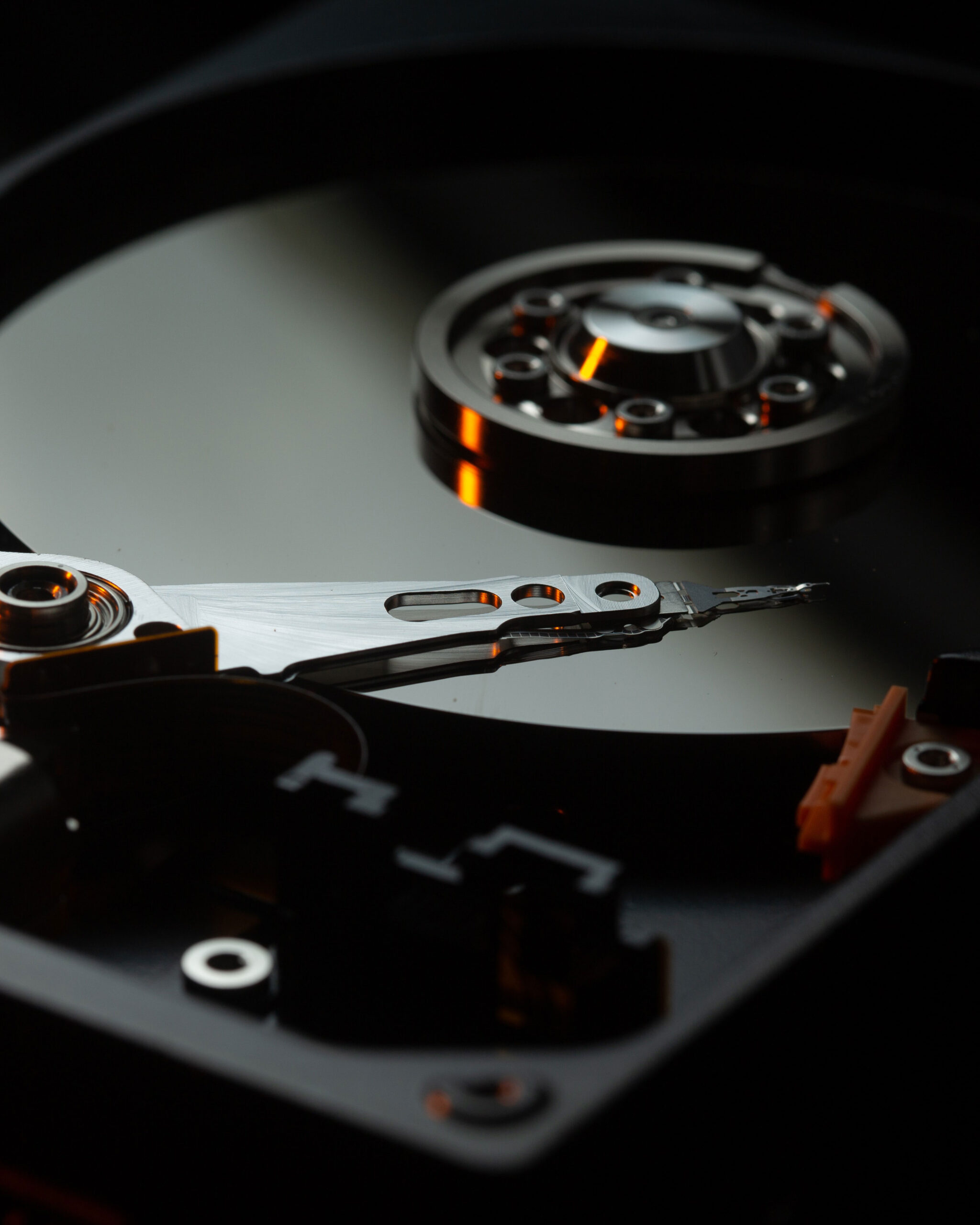
Digital wiping alone leaves recoverable data behind. The only way to guarantee complete data elimination is physical destruction.
Our commercial-grade shredders destroy a drive into small, unrecoverable pieces—making data extraction impossible.
We destroy all types of media, including:
- Hard Drives – Desktop, laptop, server drives
- Solid-State Drives (SSDs)
- Backup Tapes & Magnetic Media
- Flash Media – USB drives, memory cards, tablets, iPads
- Optical Media – CDs, DVDs, Blu-ray disks
- Other Electronic Storage Devices
Every destroyed device is accompanied by a Certificate of Destruction for your compliance records.
Oklahoma City’s Trusted Hard Drive Destruction Provider
We offer two secure destruction options to fit your organization:
On-Site Hard Drive Destruction
Our mobile shredding truck arrives at your location and destroys all hard drives on the spot.
✔ No off-site hauling
✔ Watch the process for complete peace of mind
✔ Perfect for businesses needing strict chain-of-custody control
Secure Off-Site Hard Drive Destruction
We collect your drives using secure containers and transport them directly to our high-security shredding facility. This option is ideal for large volumes or recurring service needs.

Fully Compliant with Data Privacy Laws
RiteWay Shredding meets and exceeds requirements for:
- NAID (National Association for Information Destruction) best practices
- HIPAA (Healthcare)
- GLBA (Financial Institutions)
- FACTA (Consumer Information Disposal)
- SOX (Public Companies)
- State & federal data privacy laws
Your business stays protected—and compliant.
Industries & Organizations That Require Hard Drive Destruction
Any business that handles sensitive information is legally or ethically required to destroy digital media properly. Our services are ideal for:
Healthcare & Medical Providers
- Hospitals
- Clinics
- Dental offices
- Chiropractic & wellness clinics
- Laboratories
Financial & Legal Services
- Banks & credit unions
- Accounting firms
- Law offices
- Title & escrow companies
Government & Public Agencies
- Municipal offices
- Schools & universities
- Law enforcement
- Military organizations
Corporate & Small Businesses
- HR departments
- Insurance companies
- Tech firms & data centers
- Real estate offices
- Oil & gas companies
- Call centers
Retail, Hospitality, and Service Providers
- Hotels
- Restaurants
- Retail stores
- Nonprofits
- Churches & religious organizations
If your organization stores customer, employee, patient, or financial data—you need certified hard drive destruction.
Environmentally Responsible Disposal
After destruction, all shredded materials are properly recycled to reduce environmental impact and keep harmful electronic waste out of Oklahoma landfills.
Why Oklahoma City Chooses RiteWay Shredding
- Mobile on-site destruction available
- Certificate of Destruction included
- Fully bonded & insured team
- Affordable pricing with no hidden fees
- Locally owned & serving Oklahoma City for years
- Fast scheduling—often same-day or next-day
Your data deserves more than a risky “wipe.” Trust the professionals.

How Hard Drive Destruction Works: A Step-by-Step Guide
1. Inventory and Chain-of-Custody
Before destruction begins, each hard drive or storage device is carefully logged: manufacturer, model, serial number, media type (HDD, SSD, tape, flash), and asset tag if applicable. A chain-of-custody record is created so you can trace where the device goes, who handles it, and when it is destroyed. Use of this documentation is considered best practice for compliance. TechReset+2Shredit+2
2. Physical Destruction of the Hard Drive
Once the device is ready for destruction, the most secure approach is physically destroying the media so that data cannot be reconstructed. Common methods include:
- Shredding: Mechanical cutting or slicing the hard drive (including platters, chassis, circuit board) into tiny fragments. Experts note that shredding ensures the smallest possible pieces, making reconstruction infeasible. TechReset+2EWASTE++2
- Crushing or Punching: A hydraulic press or crusher deforms the drive housing, bends or fractures platters or chips, making data retrieval extremely difficult. TechReset
- Incineration/Melting/Acid Bath: In high-security scenarios drives may be melted or dissolved in acid to ensure total destruction of the medium. This is more extreme and used less frequently. EWASTE++1
Why physical destruction is important: Data recovery specialists have demonstrated that drives which are merely erased, reformatted or superficially damaged often still hold recoverable data—especially when bad sectors or hidden areas are involved. Jetico+1
3. Verification & Certificate of Destruction
After physical destruction, a service provider should provide a Certificate of Destruction or Proof of Service, detailing the serial numbers, types of media destroyed, date/time, method of destruction, and an attestation that the material is unrecoverable. This is essential for audit trails and regulatory compliance (HIPAA, GLBA, FACTA, etc.). Shredit+1
4. Secure Recycling or Disposal
Even though the data-bearing media is destroyed, the residual fragments still contain metals and plastics. A responsible provider recycles these fragments according to environmental regulations—reducing e-waste and potential environmental harm. Shredit+1
5. Final Assurance: Unrecoverability of Data
Because of destroyed platters, fractured chips, shredded components or degaussed media, data recovery is not practically feasible. According to research on data remanence, merely overwriting or formatting does not guarantee elimination of all traces, especially in SSDs or drives with bad sector reallocation. Wikipedia+1
Why Each Step Matters for Your Business
- Risk Reduction: Using a certified destruction process reduces your exposure to data breach, regulatory fines, and reputation damage.
- Legal Compliance: Many industries require that electronic media be rendered “unreadable, indecipherable, and cannot be reconstructed” under standards like NIST SP 800-88. Wikipedia
- Audit-Ready Documentation: A chain-of-custody and certificate provide proof of your internal controls should an audit or investigation occur.
- Environmental Responsibility: Ensures your old drives are disposed of in an eco-friendly way rather than ending up in uncontrolled landfill.
Peace of Mind: Knowing data is permanently destroyed helps your team focus on core business, not worrying about what’s on a retired piece of hardware.

